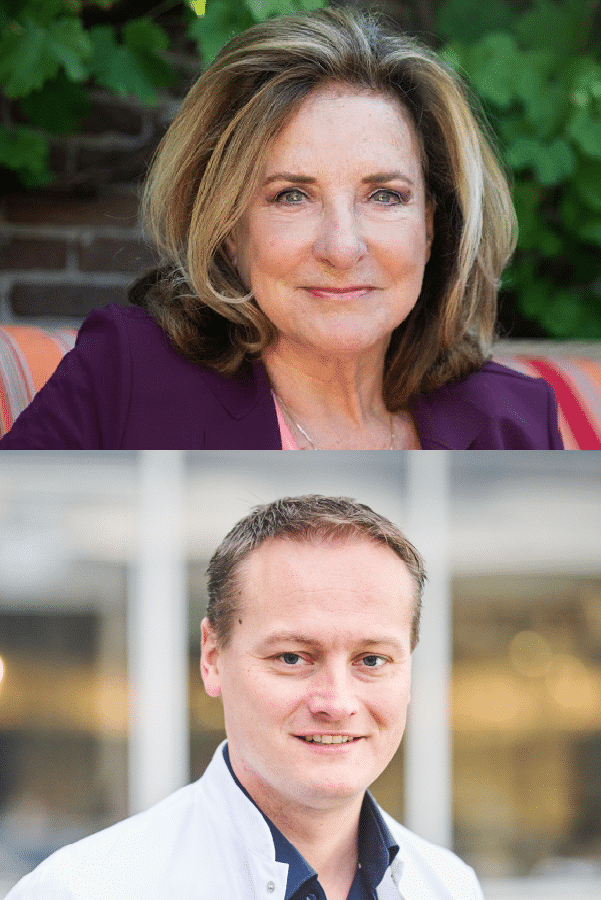
By Alexandra Brewis & Sarah Trainer of Nature [1].
Ideas about diet and exercise as the “best” way to lose weight can stigmatize people who use Ozempic, Wegovy and other blockbusters that affect appetite. Lessons from weight loss surgery reveal ways to help.
The advent of a new class of drugs that inhibit appetite – including semaglutide, sold as Ozempic and Wegovy by Danish company Novo Nordisk – has led to an increase in their use to accelerate weight loss. By 2023, about 1.7% of people in the United States were prescribed a drug containing semaglutide, and demand is growing rapidly around the world.
These injectable drugs could help prevent and treat diabetes and other chronic conditions often associated with obesity – classified as having a body mass index (BMI; weight divided by height squared) of more than 30. The World Obesity Federation in London estimates that by 2020, 770 million adults worldwide could be medically classified as obese and predicts that number will exceed one billion by 2030.
However, weight loss is not just a medical phenomenon – it is also a social phenomenon. As anthropologists, we know all too well that drastic weight loss can change people’s social lives and emotional well-being in both negative and positive ways.
We’ve seen it before, in the context of surgery for weight loss. Between 2013 and 2016, we used in-depth interviews to follow the trajectory of 35 people who underwent bariatric surgery in the United States. We followed the experiences of another 300 people through surveys1. Bariatric surgery limits food intake and intake by reducing the size of the stomach and often the length of the intestine. The people we worked with had not only more health benefits after their surgery, but also more self-confidence. But many also faced unpleasant physical side effects and harsh judgments from others about their choice to lose weight through surgery rather than diet and exercise.
We expect that people taking medications to lose weight will similarly suffer side effects and be judged by others, affecting their well-being and mental health. Many people who qualify for prescription drugs because they have a BMI over 30 will have no weight-related health complications – unlike people undergoing bariatric surgery in an accredited program, who usually have at least one chronic health condition. Moreover, the drugs are increasingly sold without a prescription or on the black market, so people with a BMI of less than 30 will also try them and may experience unnecessary adverse effects.
Here we call for an urgent and realistic discussion of the social disadvantages of achieving significant weight loss through medication, based on experiences around bariatric surgery.
Weight is a social issue
People excel at judging each other. Bodies – weight, height, clothing, physical signs of illness – are often central to these judgments, in part because they are so visible. In a world of increasingly sedentary work and processed foods, “thinness” is hard to sustain. And so slimmer bodies are globally associated with higher social status2.
In popular culture, thinness is also associated with good health, although science suggests a more complex picture. For example, although a high BMI is associated with diabetes, it is also associated with a lower risk of death in the years following a stroke3. In 2023, the American Medical Association in Chicago, Illinois, recognized that BMI should not be used as the sole measure for assessing health.
At the same time, stigmas abound around ‘being fat’4.Compared to people with a clinical definition of a ‘healthy’ weight, people defined as obese report being treated with less care and compassion by health care providers, having less choice in romantic partners and less access to education and career opportunities5. Women in particular appear to be at risk of such discrimination2. For example, heavier-weight daughters often receive less financial support from their parents for college than lighter-weight female students from families with similar financial circumstances6.
There is also a widespread sociocultural myth that getting and staying slim must be achieved through laborious and morally valued diet control and exercise. Being fat is seen as a sign of laziness and lack of self-discipline – but so is using medical interventions to lose weight7. Posts on social media provide countless examples of how losing weight and staying slim through dieting and exercise is seen as a virtuous achievement. This general idea that success should be the result of personal effort is embedded in many aspects of contemporary life, including education and wealth8.
Convicted for weight loss
Such cultural beliefs strongly influenced the weight-loss experiences of the people with whom we spoke1.
More than half of the participants in our US study did not tell people other than close family members that they were undergoing bariatric surgery because they feared judgment. This fear was confirmed in the rest of the cohort – among those who did talk openly about their surgery, 90% were told by at least one person in their social networks that they were cheating on their weight loss. Because they underwent surgery, they were seen as not working hard enough, not showing enough discipline or not showing enough moral fortitude to “earn” their weight loss. They had lost their physical weight, but they still carried the stigma of laziness and indiscipline.
We found the same pattern in Brazil, where women who underwent bariatric surgery were told by family, friends and strangers that they had “taken the easy way out9.
Such judgment has a cascade of emotional and behavioral effects. Women in Brazil reported a range of reactions to judgment, from anger and frustration to resigned acceptance and acquiescence. Stress around body weight was a common reaction among our American respondents. Stress, in turn, can affect digestion, immune function, cognitive function, emotional regulation and more – especially undesirable at a time when the body is undergoing profound physical changes due to surgery. Interviewees worried that their eating behavior would become uncontrolled and that they would “stress eat” in adverse situations, such as when they felt judged10. Sixty-four percent of our respondents indicated that they only ‘somewhat’ adhered to the strict diet required after surgery and that this self-perceived failure increased their stress, creating a vicious cycle of negative emotions that can make it even more difficult to adhere to the diet.
And because many people hide the fact that they have had surgery, there is a lack of open discussion of their experiences in the public domain. Our interviewees often cited reality TV as their main source of knowledge about bariatric surgery before coming to the clinic. In such TV shows, surgery and the resulting weight loss are often portrayed as the successful end point, with the ongoing challenges in the following decades usually remaining invisible.
In real life, managing extreme weight loss is a lifelong effort. Thirty-six percent of our respondents reported chronic problems with vitamin deficiencies, and 47% reported new food intolerances after surgery. Nausea was common – as it is in people taking obesity medications. Other side effects of rapid, extreme weight loss – by any means – include a drawn face and loose, sagging skin that can be painful and easily infected1. Such body features are not only a physical challenge, but are also seen socially as unattractive.
In our opinion, the widespread enthusiasm for weight-loss drugs is not just a solution to a medical problem – it is also a response to deep-seated, widespread fear and concern about body weight. The stigma of being labeled fat by others can influence the decision to use weight-loss drugs, and with weight loss comes the expectation of a “better” life with more social acceptance. But as our research with people undergoing bariatric surgery shows, weight loss programs are not that simple. It is crucial that pharmaceutical companies, physicians and researchers consider the emotional aspect of decision-making around obesity drugs.
Next steps
First, pharmaceutical companies need to market drugs in a way that does not promote weight loss as an easy fix. The physical side effects of rapid weight loss must be made clear.
Next, as part of this effort, drug manufacturers and researchers must focus on understanding and communicating the interconnected emotional and social consequences of rapid weight loss. To gain this knowledge, the experiences of people taking Ozempic, WeGovy and similar drugs must be followed for years – by tracking their changing health, their trajectories of weight loss and gain, and their attitudes toward and understanding of these changes. This research should take into account the fact that a person’s emotional well-being depends on context by examining how the attitudes of the social environment and broader society affect each individual’s experience.
Finally, clinics and physicians need to support people taking medications to lose weight. Our bariatric surgery cohort highlighted the clinic’s support program as one of the biggest factors in postoperative satisfaction. Educational seminars before surgery enabled participants to make an informed decision about whether the benefits of surgery to them outweighed the costs. Individuals also had access to a support group after surgery to discuss problems and receive support and affirmation. Our interviewees told us that without this program, they would have had a much harder time dealing with negative feedback and judgments.
Similar resources should be available for people who are prescribed medication to lose weight. These resources need not be in-person – quality educational programs can be offered online. But accredited professionals and trained moderators are needed to prevent participants with no medical background from sharing health tips and information that are not medically sound.
Taking such steps to ensure that people understand the physical and emotional pros and cons of weight-loss drugs is crucial to avoid a cascade of unexpected negative social and emotional effects among the millions of people who will be taking anti-obesity drugs in the years to come.
[1] Brewis, A. & Trainer, S. (2024, Feb 06). No ‘easy’ weight loss: don’t overlook the social cost of anti-obesity drugs. Nature.