Study shows positive effect of weight loss on brain performance.
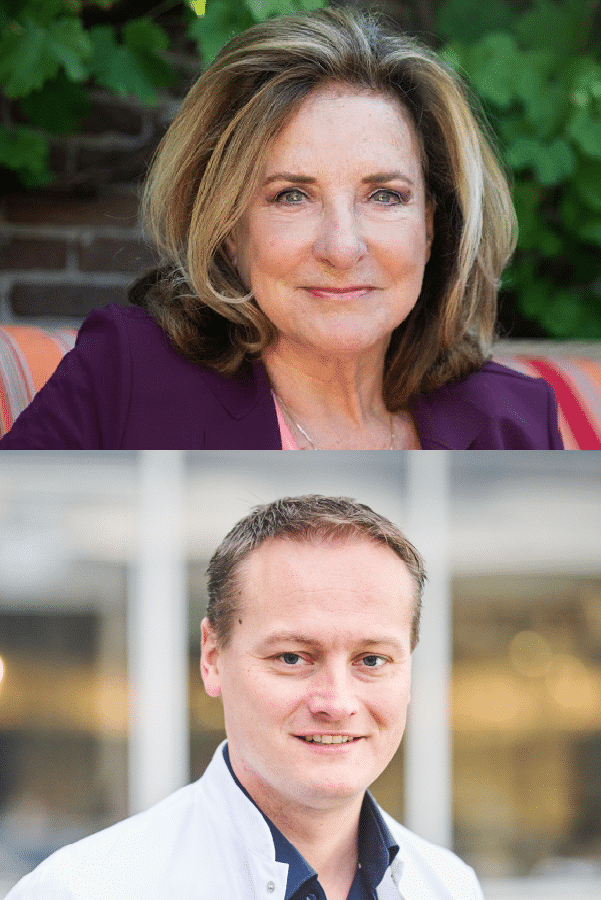
By Radboudumc [1] including Dr. Edo Aarts.
Gastric bypass surgery not only leads to weight loss, but also has a positive effect on the brain. In a study by the Radboudumc and Rijnstate in cooperation with TNO Leiden, nearly half of the participants scored significantly better on a variety of brain tests six months after surgery.
The most striking finding of a large study on the effects of gastric reduction is that nearly 45% of study participants scored significantly better on brain tests six months after surgery. That is, more than twenty percent better than before the stomach reduction. The rest remained the same or improved, but slightly less significantly. Furthermore, participants had less high blood pressure, less diabetes, lower cholesterol, fewer depressive symptoms and their medication use went down.
On average, participants lost 30 pounds in six months. How that weight loss leads to better brain performance is not yet entirely clear. ‘We think of a combination of factors,’ says PhD student Debby Vreeken of the Radboudumc, who will receive her PhD on the subject on June 15. ‘Fat cells give off more than a hundred signaling substances, which, among other things, cause inflammation and negatively affect blood vessels, including in the brain. Those substances decrease with weight loss. But we also see that people start moving more after a stomach reduction, which improves blood flow.’
“It is precisely this combination of inflammation and reduced blood supply that underlies many brain diseases, such as dementia,” adds Professor of Anatomy Amanda Kiliaan. She and her group are investigating risk factors for these diseases of the small vessels, including high blood pressure. ‘Obesity is an important risk factor. Participants in our study are still relatively young and are in the early stages of damage to the small vessels. That’s why it’s so interesting to study this group. Now we see that the brain performs better by losing weight and the process of damage is apparently partly reversible.’
Brain Function
In their study, the researchers show that there is a difference between abdominal fat and subcutaneous fat. Abdominal fat that surrounds the organs has long been labeled “dangerous fat. Kiliaan and Vreeken see this as well. The researchers see an association between the size and quantity of fat cells in abdominal fat and the quality of blood vessels in the brain. They do not see that in subcutaneous fat. Thus, the loss of abdominal fat in particular seems to be important for brain function.
The conclusions are based on a study of 146 people who underwent gastric bypass surgery. The average age was 46. The researchers followed the participants for two years. They took MRI scans of the brain, collected blood and stool samples, and took small pieces of fatty tissue, liver and intestine during surgery. They also studied brain performance, with tests for concentration, memory and fluency before and after stomach reduction surgery.
Despite the positive effects, there are also risks associated with gastric bypass surgery. People lose a lot of weight after surgery, but many patients regain some weight after one or two years. In addition, stomach reduction sometimes leads to abdominal pain and changes the composition of bacteria in the gut. The latter is an important topic for follow-up research by Kiliaan and her team in collaboration with TNO and Rijnstate.
These results of the BARICO study were published in:
- Jama Open Network: Factors Associated With Cognitive Improvement After Bariatric Surgery Among Patients With Severe Obesity in the Netherlands. Debby Vreeken, Florine Seidel, Emma M. Custers, Lisette Olsthoorn, Sophie Cools, Edo O. Aarts, Robert Kleemann, Roy P.C. Kessels, Maximilian Wiesmann, Eric J. Hazebroek, Amanda J. Kiliaan.
- Neurology: Impact of White Adipose Tissue on Brain Structure, Perfusion, and Cognitive Function in Patients With Severe Obesity The BARICO Study. Debby Vreeken, Florine Seidel, Guido de La Roij, Wouter Vening, Willem A. den Hengst, Lars Verschuren, Serdar Ozsezen, Roy P.C. Kessels, Marco Duering, Henk J.M.M. Mutsaerts, Robert Kleemann, Maximilian Wiesmann, Eric J. Hazebroek, Amanda J. Kiliaan.